
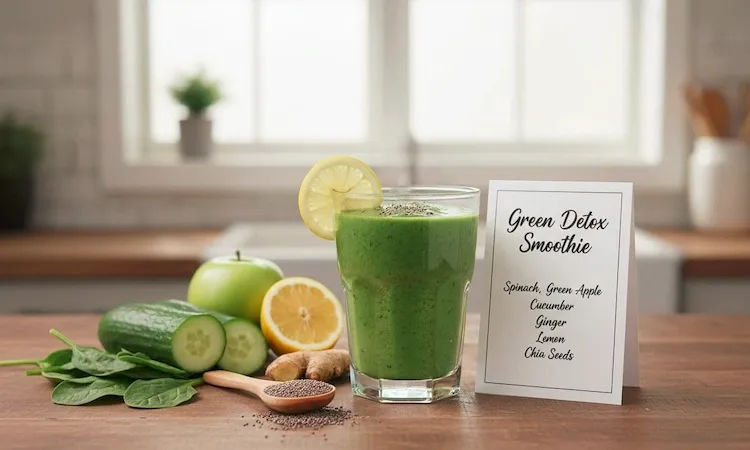
A lot of “healthy” smoothies are healthy in name only. They pack in fruit juice, sweetened yogurt, or a big splash of milk, then your “light” breakfast turns into a sugar and calorie bomb.
This no sugar no milk smoothie for weight loss diet approach keeps things simple and satisfying. “No sugar” means no added sweeteners (like honey, maple syrup, agave, or flavored protein powders), plus keeping an eye on high-sugar fruits and portion sizes. “No milk” means skipping dairy milk and avoiding sweetened plant milks that quietly add sugar back in.
In this post, you’ll get easy ingredient swaps, a basic smoothie formula you can use every day, and 6 to 8 filling recipe ideas that taste like a treat without the crash. You’ll also learn small tweaks that make a smoothie actually keep you full, like adding protein, fiber, and healthy fat, then balancing flavor with cinnamon, cocoa, vanilla, or citrus instead of sugar. No strict rules, no guilt, just a plan you can stick with.
Weight Loss Programs
Diet & Weight Loss

Diet & Weight Loss
The Mediterranean Diet – Diamond Evergreen Digital Diet Program
Diet & Weight Loss
The Underground Fat Loss Manual – Hidden Strategies for Weight Management
Diet & Weight Loss
What makes a no sugar, no milk smoothie work for weight loss
Weight loss still comes down to a calorie deficit, you burn more than you eat over time. A smoothie can support that because it’s quick, repeatable, and easy to pack with nutrients. It can also work against you when it turns into “drinkable calories” that don’t satisfy you.
The sweet spot for a no sugar no milk smoothie for weight loss diet is simple: keep added sugars out, control fruit portions, and build the blend around protein, fiber, and a little healthy fat. That’s what helps you feel full, steady, and less snacky later.
No sugar vs no added sugar: the simple rule that prevents cravings
In real life, “no sugar” is almost impossible because fruit (and many veggies) contain natural sugars. The rule that actually matters is no added sugar.
Added sugar is anything used to sweeten the smoothie beyond what’s naturally in whole foods. Common “healthy sounding” add-ins can sneak it in fast:
- Fruit juice and juice concentrates (even 100% juice)
- Honey, agave, maple syrup, and date syrup
- Sweetened plant milks and creamers
- Flavored yogurt and flavored “protein” powders
- Sweetened cocoa mixes, drink mixes, and coffee syrups
Whole fruit is different because it comes with fiber and water, which slows how quickly sugar hits your system and helps your stomach feel physically full. Still, portion size matters, especially if smoothies are a daily habit. For more context on common smoothie traps, see these smoothie mistakes that can stall weight loss.
A practical limit that works for most people:
- Keep fruit to about 1 cup per smoothie.
- Choose berries often (they’re flavorful and usually lower in sugar than tropical fruits).
- If you use banana, try 1/2 a small banana and let cinnamon or vanilla do the rest.
No milk, but still creamy: smart liquids and texture boosters
Skipping dairy milk can cut calories for some people, but the bigger win is avoiding the “milkshake effect” where a creamy base makes it easier to drink more than you intended. You can still get that thick, satisfying texture without dairy.
Best unsweetened liquids:
- Water (simple and reliable)
- Ice (counts as “liquid,” also thickens)
- Unsweetened almond milk
- Unsweetened soy milk (often higher protein than almond milk)
- Coconut water (use a small amount, it adds natural sugars)
- Chilled green tea (adds a fresh, slightly bitter balance)
To make it creamy without milk, use texture boosters that add bulk and keep the smoothie from feeling thin:
- Frozen cauliflower rice (mild flavor, thick texture)
- Zucchini (great with berries, freezes well)
- Chia seeds
- Ground flaxseed
- Avocado (small portion goes a long way)
- Extra ice plus a strong blender
Label tip: always look for the word “unsweetened” and check the Nutrition Facts for grams of added sugar. If it lists added sugar, it doesn’t fit the plan.
The fat, fiber, protein trio that keeps you full until the next meal
A smoothie that’s mostly fruit can feel like it “disappears” because your body doesn’t chew it. Chewing slows eating and helps your brain register fullness. So you have to build your smoothie like a real meal, not a fruit drink. This lines up with the balanced approach outlined in healthy smoothie do’s and don’ts.
Here’s what to add, and what it does:
- Protein (keeps hunger down): unsweetened protein powder, unsweetened Greek-style plant yogurt (if you use yogurt at all), silken tofu, pasteurized egg whites (if you’re comfortable), hemp hearts.
- Fiber (adds “stay full” volume): chia, ground flax, a small amount of psyllium (start tiny), or a small portion of oats.
- Healthy fat (makes it satisfying): measured nut butter (1 tablespoon is usually plenty), or a small slice of avocado.
Quick smoothie checklist (use this as your default):
- Protein: aim for 20–30 g if it’s a meal, or 10–20 g if it’s a snack.
- Fiber: include 1–2 tablespoons chia or ground flax, or a small serving of oats.
- Liquid: choose water, ice, or unsweetened milk alternatives (watch added sugar).
- Fruit: keep it to about 1 cup, pick berries often.
Get those basics right, and the smoothie stops being a sweet drink and starts acting like a filling meal you can actually stick with.
The basic build-a-smoothie formula (so you can make endless combos)
Think of this like building a meal in a glass, not a fruit drink. When you follow a simple structure, you can keep your smoothie thick, filling, and steady on energy, without adding sugar or milk.
Here’s an easy formula you can memorize for a no sugar no milk smoothie for weight loss diet:
- Liquid: 3/4 to 1 1/2 cups (water, ice water, unsweetened almond or soy milk, cold tea)
- Frozen base: 1 to 2 cups (mostly low-sugar fruit and veggie “bulk”)
- Greens or extra veggies: 1 to 2 handfuls (or 1/2 to 1 cup chopped)
- Protein: 20 to 30 g (meal), or 10 to 20 g (snack)
- Fiber and fat: 1 to 2 tablespoons (chia, flax, nut butter, avocado)
- Flavor boosters: 1 to 3 “small but strong” add-ins
Starter template (works with almost any flavor direction):
Liquid + frozen berries + frozen cauliflower + spinach + unsweetened protein + chia + cinnamon/vanilla.
If it’s too thick, add liquid 2 tablespoons at a time. If it’s too thin, add more ice or frozen cauliflower. If it tastes “flat,” it usually needs acid (lemon/lime) or a tiny pinch of salt.
Choose your base: low sugar fruits and veggie-first options
Your base controls sweetness and calories fast. A simple rule is to make veggies do the heavy lifting, then use fruit like a “seasoning” for sweetness.
Lower-sugar fruit options (use 1/2 to 1 cup, pick 1):
- Berries (strawberries, raspberries, blackberries): strong flavor, easy to keep low sugar
- Cherries: taste sweet, but you can usually use less
- Kiwi: bright and tart, great with spinach
- Green apple: use a small piece for freshness and zing
- Pumpkin puree (unsweetened): creamy and mild, amazing with cinnamon and vanilla
Fruits that can fit but are easy to overdo:
- Banana: keep it to 1/2 of a small banana max for texture
- Mango: delicious, but it can turn your smoothie into dessert fast
If you want more ideas for keeping fruit choices lower in sugar, this low-sugar fruits list for smoothies is a handy reference.
Veggie-first “bulk” bases (use 1/2 to 1 1/2 cups, pick 1 or mix):
- Frozen cauliflower (nearly flavorless, makes it thick)
- Frozen zucchini (creamy texture, pairs well with berries)
- Cucumber (watery, refreshing, great with mint or citrus)
- Spinach (mild, blends easily)
Pick a protein that stays unsweetened (and doesn’t taste chalky)
Protein is what turns a smoothie into a real meal. The best choice is one you can drink daily without a sugar aftertaste.
Label checklist (quick and practical):
- 0 g added sugar
- Short ingredient list
- Watch “natural flavors” if you’re sensitive (some people get a strong aftertaste)
Common options, what to expect:
- Whey isolate: mixes smoothly, usually the least gritty
- Pea protein: thicker texture, can taste earthy (pair with cocoa or coffee)
- Soy protein: solid texture and flavor, often more neutral than pea
- Collagen: mixes well and helps thickness, but it’s not a complete protein by itself, so don’t use it as your only protein source
For extra peace of mind, this Consumer Reports protein powder testing overview is worth a look.
No-sugar flavor fixes for protein:
- A pinch of cinnamon or cocoa powder
- 1/4 teaspoon vanilla extract
- 1 to 2 teaspoons instant coffee (great with chocolate)
Flavor without sugar: spices, citrus, and “dessert” tricks that still fit the plan
Most “I need sweetener” moments are really “I need flavor.” Use strong, low-calorie add-ins that make your smoothie taste finished.
Go-to flavor boosters (start small, then adjust):
- Cinnamon, nutmeg, or ginger
- Lemon or lime juice, plus a little zest for a fresh pop
- Unsweetened cocoa powder for a brownie vibe
- Peppermint extract (tiny amount, it’s powerful)
- Espresso or instant coffee for a mocha feel
- Pinch of salt to sharpen chocolate and berry flavors
- A few extra berries when you need gentle sweetness
If you want optional sweetness without sugar, stevia or monk fruit can work, but start with less than you think you need. You can always add more, but you can’t un-sweeten a blender.
Blender order tip (prevents powder pockets): liquid first, then protein, then greens, then frozen ingredients and ice on top. Blend, taste, fix with acid (citrus), spice, or a pinch of salt before you ever think about sweetening.
No sugar, no milk smoothie recipes for a weight loss diet (easy and filling)
When you’re doing a no sugar no milk smoothie for weight loss diet, the best recipes do two things at once: they taste good without “help” from sweeteners, and they keep you full with protein plus fiber. The trick is using unsweetened liquids, measuring higher-calorie add-ins (like nut butter and coconut), and bulking up the blender with low-sugar produce (cauliflower, zucchini, cucumber, spinach).
Each recipe below makes 1 large smoothie (or 2 smaller servings). If you want it thicker, add more ice or frozen veggies. If it’s too thick, add liquid 2 tablespoons at a time.
Berry protein smoothie (classic, low sugar, high fiber)
A berry smoothie is the easiest way to stay low sugar without feeling deprived, because berries bring strong flavor with fewer carbs than most fruits.
Ingredients
- 1 cup mixed berries (frozen strawberries, raspberries, blackberries)
- 1 to 1 1/4 cups unsweetened liquid (water, ice water, unsweetened almond milk, or chilled green tea)
- 1 scoop unsweetened protein powder (or unflavored)
- 1 tablespoon chia seeds or ground flaxseed
- 1 handful spinach (optional, it disappears in berry flavor)
- 1/2 to 1 cup ice (for thickness)
- Optional: 1 to 2 tablespoons lemon juice (brightens berries)
Make it
- Blend liquid + protein first, then add berries, chia/flax, spinach, and ice. Blend until smooth.
Milk-free and dairy-free swaps
- If you need both dairy-free and milk-free, use water, ice water, or unsweetened tea as the liquid.
- If you’re okay with plant milk, choose unsweetened almond or soy.
How to thicken (without banana)
- Add extra ice, or blend in 1/2 to 1 cup frozen cauliflower rice for a thicker, creamier texture with almost no flavor.
Why it works: Berries plus chia/flax give fiber, and protein keeps it filling so it doesn’t drink like juice (see a similar high-protein berry approach in this easy berry smoothie recipe).
Chocolate peanut butter smoothie without sugar or milk (dessert taste, measured fat)
This one tastes like a treat, but it only works for weight loss if you treat peanut butter like a condiment, not a free-pour ingredient.
Ingredients
- 1 to 1 1/4 cups water or unsweetened almond milk
- 1 scoop unsweetened chocolate or unflavored protein powder
- 1 tablespoon unsweetened cocoa powder
- 1 tablespoon peanut butter powder (best for lower calories)
Or 1 teaspoon to 1 tablespoon natural peanut butter (measured) - 1 cup frozen cauliflower (or 1 cup frozen zucchini for a smoother “shake” feel)
- 1/4 teaspoon vanilla extract
- Pinch of salt (makes chocolate taste richer)
- 1/2 to 1 cup ice, as needed
Make it
- Blend liquid + protein + cocoa first. Add cauliflower/zucchini, vanilla, salt, and ice. Blend until thick.
How to keep calories in check
- Measure nut butter every time. Even “healthy” fats can quietly push a smoothie into meal-plus-dessert territory.
- Want it more peanut buttery? Add more peanut butter powder first before adding more nut butter.
Why it works: Cocoa, vanilla, and salt give a dessert vibe while cauliflower adds bulk and protein keeps it satisfying (if you like this flavor profile, compare it with a sugar-free chocolate peanut butter smoothie and keep the nut butter portion tight).
Green smoothie that doesn’t taste like salad (bright, not bitter)
A good green smoothie should taste clean and bright, not like lawn clippings. The fastest way to mess it up is using bitter greens or too much peel.
Ingredients
- 1 to 1 1/4 cups water or unsweetened almond milk
- 1 to 2 big handfuls spinach (not kale if you’re bitterness-sensitive)
- 1 cup cucumber (chopped, fresh or frozen)
- 1/2 cup frozen berries or 1 peeled kiwi (for light sweetness)
- 1 scoop unflavored or vanilla unsweetened protein powder
- 1 to 2 teaspoons fresh ginger (or 1/4 teaspoon ground ginger)
- 1 to 2 tablespoons lemon or lime juice
- Ice, to thicken
Make it (smooth texture tip)
- Blend liquid + spinach + cucumber first for 20 to 30 seconds (this breaks down the greens).
- Add fruit, protein, ginger, citrus, and ice, then blend again until silky.
Avoid bitterness
- Stick with baby spinach as your base.
- Peel citrus, remove thick skins, and don’t add pith.
- If it still tastes “green,” add more lemon/lime before adding more fruit.
Why it works: High water volume (cucumber) plus protein makes it filling without heavy calories, and citrus keeps the flavor lively (this simple green smoothie recipe shows how minimal ingredients can still taste great).
Iced coffee smoothie for mornings (no sugar, no milk, still creamy)
This is for the “coffee first” crowd, but it still drinks like breakfast when you build it right.
Ingredients
- 3/4 to 1 cup cold brew or chilled coffee
- 1/2 to 3/4 cup water or ice
- 1 scoop unsweetened protein powder (vanilla or unflavored works best)
- 1/4 teaspoon vanilla extract
- 1/2 teaspoon cinnamon
- Optional: 1 teaspoon unsweetened cocoa powder (mocha vibe)
- Optional (breakfast upgrade): 2 to 3 tablespoons rolled oats
- Ice to thicken
Make it
- Blend coffee + water/ice + protein first, then add cinnamon, vanilla, and ice. Add oats only if you need it to hold you longer.
Caffeine timing (keep it practical)
- If coffee on an empty stomach makes you jittery, drink a few ounces of water first, or add the oats so it digests slower.
- If you train in the morning, this can double as a pre-workout snack, depending on your caffeine tolerance.
Why it works: Coffee gives flavor without sugar, and protein does the hunger control (for another no-added-sugar option, see this dairy-free coffee smoothie).
Tropical “piña colada” style smoothie, lower sugar version
Tropical smoothies can turn into sugar bombs fast, so the win here is keeping pineapple modest and letting cauliflower do the heavy lifting.
Ingredients
- 1/2 to 3/4 cup frozen pineapple (measured)
- 1 to 1 1/4 cups unsweetened coconut milk beverage (carton) or water
(Avoid sweetened canned coconut milk drinks) - 1 scoop unflavored or vanilla unsweetened protein powder
- 1 cup frozen cauliflower rice
- 1 to 2 tablespoons lime juice
- Optional: 1 tablespoon unsweetened shredded coconut
- Ice, as needed
Make it
- Blend liquid + protein, then add pineapple, cauliflower, lime, and ice.
Portion note
- Keep pineapple to 3/4 cup max if weight loss is the goal. If you want “more tropical,” add extra lime and a little coconut extract instead of more fruit.
Why it works: You get tropical flavor from a controlled amount of pineapple, and cauliflower plus protein keeps it thick and filling without extra sugar.
Apple pie smoothie with cinnamon (sweet taste from whole fruit)
This tastes like apple pie filling, but it stays weight-loss friendly because the apple portion is small and the spices do most of the work.
Ingredients
- 1/2 green apple (cored, chopped, skin on is fine if your blender is strong)
- 1 to 1 1/4 cups water or unsweetened almond milk
- 1 scoop vanilla or unflavored unsweetened protein powder
- 1 cup frozen zucchini or frozen cauliflower rice
- 1/2 to 1 teaspoon cinnamon
- Pinch of nutmeg
- 1 to 2 teaspoons lemon juice (keeps it from tasting flat)
- Optional: 2 tablespoons rolled oats (only if it’s replacing a meal)
- Ice, to thicken
Make it
- Blend liquid + protein first, then add apple, frozen veg, spices, lemon, and ice.
Keep it from turning too sweet
- Use half an apple, not a whole one.
- Choose green apple for a tarter taste.
- Add lemon first if you want more “sweetness,” it tricks your taste buds without sugar.
Why it works: Whole fruit adds just enough sweetness, and zucchini or cauliflower boosts volume so it’s more filling than it looks.
Savory cucumber avocado smoothie (for people tired of sweet drinks)
If you’re burned out on sweet smoothies, savory is a reset. It can also make it easier to stop chasing sweet flavors all day.
Ingredients
- 1 large cucumber (or 1 1/2 cups chopped)
- 1 handful spinach
- 1 to 1 1/4 cups cold water
- 1/8 to 1/4 avocado (small portion, it’s powerful)
- 1 scoop unflavored unsweetened protein powder (or a plain protein option you tolerate well)
- 1 to 2 tablespoons lemon juice
- 2 to 4 mint leaves or a small handful of cilantro
- Pinch of salt
- Optional: cracked black pepper
Make it
- Blend water + greens first, then add cucumber, avocado, protein, lemon, herbs, and salt. Blend until smooth and frothy.
Why savory can help with sugar cravings
- When your “default” drink is not sweet, your taste buds calm down. Many people find they snack less because they stop looking for a sweet finish after meals.
Adjust thickness
- Thicker: add a bit more avocado, or a handful of ice.
- Thinner: add water a few tablespoons at a time and blend again.
Why it works: It’s high volume and refreshing, with a measured amount of fat from avocado plus protein to keep hunger steady.
How to use these smoothies in a weight loss plan without getting stuck
Smoothies work best for weight loss when they act like a planned meal or a planned snack, not a “maybe I’ll have this plus something else” situation. The goal with a no sugar no milk smoothie for weight loss diet is to keep cravings calm, protect your calorie budget, and stay full long enough that you do not rebound into overeating later.
Think of your smoothie like a backpack. If it is meant to carry you to the next meal, it needs more structure (protein, fiber, and sometimes a little fat). If it is meant to bridge a gap, keep it smaller and simpler.
Meal replacement vs snack: the portion guide that prevents overeating later
A smoothie can replace a meal, but only if it is built like a meal. If it is mostly fruit and liquid, it digests fast and hunger comes roaring back.
Here are simple targets that keep you steady:
- Meal smoothie (breakfast or lunch): aim for 20 to 30 g protein, at least 8 g fiber, and a small fat add-in if it helps satisfaction.
- Snack smoothie (between meals or craving control): aim for 10 to 20 g protein, some fiber, and keep calories lower by limiting fats and fruit.
A practical portion guide that helps most people:
- Meal size: 16 to 24 ounces (2 to 3 cups), thick enough to sip slowly.
- Snack size: 8 to 12 ounces (1 to 1.5 cups), more like a “bridge,” not a meal.
Examples that prevent the “I’m hungry again in an hour” problem:
- If it’s breakfast, add 1 scoop unsweetened protein plus 1 tablespoon chia or ground flax, and consider 2 to 3 tablespoons oats if you tend to get hungry mid-morning.
- If it’s a post-workout snack, keep fruit at 1 cup max, add protein, and skip nut butter unless you truly need extra calories.
- If it’s an after-dinner craving, do a small smoothie: water + ice + protein + cocoa + cinnamon (or a savory cucumber blend). Pair it with a crunchy solid if you miss chewing, like a few carrot sticks or a small apple.
For general guidance on building balanced smoothies (especially protein and fiber), see Johns Hopkins smoothie tips.
Prep once, blend fast: freezer packs and a 10-minute routine
Freezer packs remove the daily “what do I add?” decision. You will still measure the high-impact extras, but the base becomes automatic.
How to build freezer bags (one bag = one smoothie):
- Add 1 cup fruit (berries are the easiest to keep low sugar).
- Add 1 to 1.5 cups veggie bulk (frozen cauliflower rice, zucchini, spinach).
- Add flavor items that freeze well, like lemon zest, ginger chunks, or cocoa (dry cocoa is fine).
- Label the bag with the planned liquid amount and protein goal.
Keep a few things out of the freezer pack:
- Chia or ground flax: store dry, add right before blending (they clump less and stay fresh).
- Protein powder: keep dry until blending to avoid moisture and weird texture.
- Nut butter and avocado: portion fresh (or freeze avocado separately in measured chunks).
10-minute weekly routine (set it up once):
- Portion 5 freezer bags.
- Pre-measure chia/flax into small containers.
- Keep a “blend bin” in the pantry with protein, cinnamon, cocoa, and salt.
Storage and safety basics:
- Use freezer packs within 2 to 3 months for best flavor and texture.
- Freeze ingredients quickly, keep your freezer at 0°F, and do not refreeze a thawed pack.
- Wash hands, rinse produce, and clean blender parts well after each use.
If you want a simple visual of make-ahead packs, EatingWell’s freezer pack method is a helpful reference.
Common mistakes that stall results (and easy fixes)
Most “smoothies stopped working” issues come down to portions and hidden sugars.
- Too much fruit: It turns into a sweet drink fast.
Fix: cap fruit at about 1 cup, then add more flavor with citrus, cinnamon, or cocoa. - Using juice (even 100% juice): Easy calories, low fullness.
Fix: use water, ice, unsweetened tea, or unsweetened plant milk. - Sweetened plant milks: Added sugar sneaks back in.
Fix: buy unsweetened only, and check “added sugars” on the label. - Oversized nut butter portions: One extra spoon can erase your deficit.
Fix: measure 1 tablespoon max for meals, and often skip it for snacks. - Skipping protein: Hunger rebounds later.
Fix: add unflavored or unsweetened protein, or use silken tofu. - Not measuring at first: “Healthy” ingredients still add up.
Fix: measure for 1 to 2 weeks, then eyeball once you know your routine. - Drinking too fast: Your brain does not catch up.
Fix: pour into a smaller glass, sip for 10 to 15 minutes, and consider a thicker blend.
Quick safety note: If you have diabetes, kidney disease, are pregnant, or take meds (especially for blood sugar or blood pressure), check with a clinician before making big changes to fiber intake or adding supplements. Chia, flax, and protein powders can affect digestion and, in some cases, how you feel day to day.
Conclusion
A no sugar no milk smoothie for weight loss diet works when it’s built like a real meal, not a sweet drink. Keep added sugars out, measure fruit, and rely on protein plus fiber (and a small amount of fat when you need it) to stay full. Use water, ice, or unsweetened tea as your base, then build thickness with frozen cauliflower or zucchini instead of milk and banana.
Start with one recipe you’ll actually drink again. Adjust flavor with cinnamon, cocoa, vanilla, citrus, or a pinch of salt, then track your hunger and energy for a week. If you’re getting hungry too fast, add more protein or fiber before adding more fruit.
Your next step is simple: pick the base formula from this post, choose one flavor direction, then make two freezer packs today. Your future self will thank you tomorrow morning.

The AnySmoothie team is all about smarter smoothie recipes made with whole-food ingredients. Everything we share centers on balanced nutrition, steady energy, and low-glycemic choices, so you can sip a smoothie that keeps you full, feels good, and helps you avoid sugar crashes.
- Disclaimer: This content is for educational use only. These smoothie recipes and nutrition details aren’t a substitute for medical advice from a licensed health professional. Please read our full Medical Disclaimer here.
Dietary Supplements
Dietary Supplements
Liv Pure – Daily Support for Detoxification and Metabolic Health
Dietary Supplements
Dietary Supplements
Dietary Supplements