
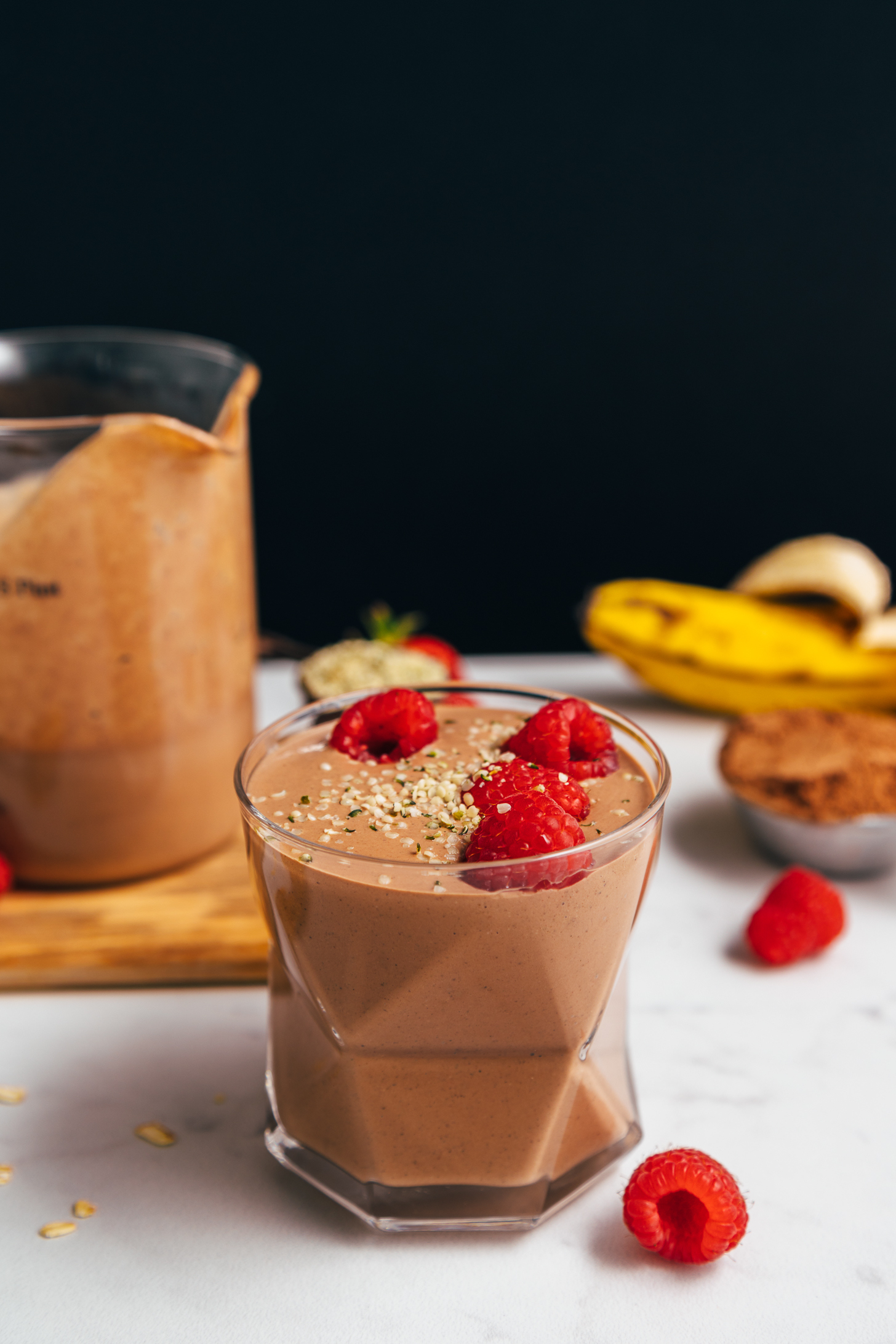
12 Protein-Packed Smoothies (Minimalist Baker Style): Simple, Filling, and Plant-Forward
Some mornings, you need breakfast to act like a safety net. Not fancy, not fragile, just something that holds you up until lunch. That’s where protein-packed smoothies shine: they keep you full longer, help support muscle recovery after a workout, and make a solid afternoon snack when energy dips.
This roundup is inspired by the easy, ingredient-smart vibe of 12 Protein-Packed Smoothies – Minimalist Baker, with flavor-first ideas you can mix and match. Expect simple ingredients you can find at most grocery stores, plus quick swaps for allergies, picky taste buds, or whatever you’ve got in the fridge. If you like variety without extra work, these are for you.
What Makes a Smoothie High-Protein (Without Making It Complicated)
Weight Loss Programs
Diet & Weight Loss
Diet & Weight Loss
Diet & Weight Loss
Diet & Weight Loss
BellyFlush™ – Gut Cleanse and Digestive Detox for Weight Support
A “high-protein” smoothie doesn’t have to mean a long ingredient list or a gritty, chalky drink. It’s more like building a small meal in a glass. If you’re drinking it as breakfast or lunch, a practical target is about 20 to 30 grams of protein. If it’s a snack, you can aim lower and still feel satisfied.
The simplest way to get there is to think in four parts:
1) Protein base: This is your anchor. Soy milk, pea protein, tofu, or plant Greek-style yogurt can do most of the heavy lifting.
2) Fiber: Fruit, leafy greens, oats, chia, or even frozen cauliflower help slow digestion so you stay full.
3) Healthy fats: Nut butter, seeds, or avocado make the smoothie creamy and steady, instead of a quick sugar spike.
4) Flavor boosters: Cocoa, coffee, vanilla, citrus, spices, and a pinch of salt make “healthy” taste like something you’d actually choose.
For blending, order matters. Start with liquids, then powders and soft ingredients, then frozen fruit and ice. That quick step helps protein powder dissolve so you don’t get dry pockets. If the texture still tastes chalky, add a spoon of nut butter, a few oats, or a small pinch of salt to round it out. For more general technique ideas, Minimalist Baker’s collection of smoothie tips is a helpful reference.
Best protein boosters for plant-based smoothies
If you want protein without fuss, these are the usual MVPs:
- Silken tofu: Neutral flavor, ultra-creamy, great with berries or chocolate.
- Soy milk: One of the easiest ways to raise protein without changing texture much.
- Pea protein powder: A clean option when you need a bigger protein jump.
- Hemp hearts: Nutty taste, blends well, pairs with fruit and greens.
- Chia seeds: Adds protein plus thickness, especially if you let it sit.
- Nut butters: Peanut, almond, cashew, or sunflower seed butter for nut-free needs.
- Oats: More of a “stay full” booster, still adds a bit of protein and creaminess.
- Greek-style plant yogurt: Tangy, thick, and great for “cheesecake” vibes.
Quick swap rule: no tofu, use plant yogurt. No protein powder, combine hemp hearts + soy milk for a steady boost.
How to keep smoothies thick, creamy, and not gritty
A great smoothie should drink like a milkshake, not like sandy juice. A few habits help:
- Freeze bananas (or use frozen cauliflower) for thickness without tons of ice.
- Start with less liquid, you can always add more.
- Blend powders with the liquid first for 10 seconds, then add frozen items.
- Let chia sit 3 to 5 minutes if you want a thicker finish.
- Add ice last, and only if you need it.
- Use a high-speed blender when you can, it makes seeds and oats feel smoother.
Quick fixes:
Too thick: add a splash of milk.
Too thin: add frozen fruit or a spoon of oats.
Too sweet: add lemon juice, a pinch of salt, or more greens.
12 Protein-Packed Smoothies, Minimalist Baker Style (Fast, Flavorful, and Filling)
These are “mini cards” you can riff on. Keep the base the same, change one flavor, and suddenly your week feels less repetitive. For the original inspiration, see Minimalist Baker’s 12 Protein-Packed Smoothies.
Fruity and bright protein smoothies
Berry Almond Butter: Frozen mixed berries, soy milk, almond butter, and a spoon of chia. It’s tart, creamy, and surprisingly filling. Easy swap: use sunflower seed butter for nut-free (and keep the berries the star).
Strawberry Cheesecake: Strawberries, Greek-style plant yogurt, vanilla, oats, and a squeeze of lemon to mimic that cheesecake tang. Easy swap: use silken tofu instead of yogurt for a soy-based, extra-creamy version.
Mango Lassi: Frozen mango, plant yogurt, soy milk, and a pinch of cardamom (or cinnamon). It tastes sunny even in winter. Easy swap: go soy-free with oat milk plus hemp hearts.
Pineapple Green: Pineapple, spinach, hemp hearts, and coconut water or soy milk. The pineapple keeps it bright and masks the greens. Easy swap: use romaine instead of spinach for a milder green taste.
Chocolate and dessert-like protein smoothies
Chocolate Peanut Butter: Cocoa powder, frozen banana, peanut butter, soy milk, and a scoop of pea protein if you want it extra filling. Easy swap: use tahini or sunflower seed butter for nut-free.
Mocha Oat: Chilled coffee, cocoa, oats, soy milk, and a little vanilla. It’s like breakfast and a coffee run in one glass. Easy swap: decaf coffee or cold-brew tea if caffeine makes you jittery.
Chocolate Cherry Recovery: Frozen cherries, cocoa, plant yogurt, and hemp hearts for a rich, fruity chocolate vibe. Easy swap: use silken tofu instead of yogurt to make it thicker and less tangy.
Salted Caramel Date: Dates, vanilla, a pinch of salt, frozen banana, and tahini for that caramel-like depth. Easy swap: if you’re watching sugar, use half a date and add cinnamon to keep it tasting “sweet enough.”
Sweetness note: cocoa and coffee can handle less sugar than you think. Start with one date, then adjust.
Green and veggie-forward protein smoothies (still taste good)
Vanilla Matcha Green: Matcha, spinach, frozen banana, soy milk, and plant yogurt. The vanilla smooths out the green flavors. Tip: add a squeeze of lime to keep it tasting fresh, not grassy.
Creamy Avocado Lime: Avocado, lime juice, frozen pineapple, hemp hearts, and a splash of milk. It’s like a smoothie version of key lime pie, minus the heaviness. Tip: pineapple or mango prevents that “salad” finish.
Carrot Cake: Grated carrot (or steamed and chilled), banana, oats, cinnamon, ginger, and plant yogurt. It’s cozy and surprisingly dessert-like. Tip: a tiny pinch of salt makes the spices pop.
Pumpkin Pie Spice: Pumpkin puree, frozen cauliflower rice (you won’t taste it), vanilla, pumpkin spice, soy milk, and pea protein. It drinks like a holiday treat that still counts as breakfast. Tip: add orange zest or a squeeze of orange to brighten the pumpkin.
If you want another chocolate-forward reference point, this Chocolate Nut Banana Protein Smoothie shows how classic flavors can still feel “protein-first.”
Make Them Work for Your Life: Prep, Swaps, and When to Drink Them
Smoothies are only “easy” if they stay easy on your busiest days. The goal is to make good choices feel automatic. Drink these as breakfast when you need a fast meal, as a post-workout option when you want protein without cooking, or as a 3 p.m. snack that prevents random grazing.
To turn any smoothie into a fuller meal, add one or two of these: oats, nut or seed butter, plant yogurt, silken tofu, or an extra scoop of protein powder. Think of it like adding bricks to a wall, it stands longer.
For a flavor you can copy directly, Minimalist Baker’s Blueberry Almond Butter Smoothie is a great template for fruit plus fat plus protein.
Freezer smoothie packs and 5-minute prep routine
Portion frozen fruit, greens, and add-ins (like chia or hemp) into freezer bags. Leave out liquids, nut butters, and powders until blending, they’re easier to measure fresh.
Most packs keep well for about 1 to 2 months if sealed tightly. A simple shopping rhythm: frozen berries, frozen mango, spinach, soy milk, hemp hearts, oats, and your preferred protein powder.
Easy swaps for allergies and preferences
Nut-free: sunflower seed butter or tahini instead of nut butter.
Soy-free: pea protein plus oat milk, then add hemp hearts for extra support.
Gluten-free: use certified gluten-free oats if oats are in the plan.
Lower-sugar: choose berries, use half the dates, add cinnamon or vanilla for “sweet” aroma without extra sugar.
Conclusion
You don’t need a complicated recipe list to make smoothies that actually satisfy. With a solid protein base, a few smart boosters, and flavors you crave, protein-packed smoothies can feel as comforting as breakfast and as convenient as a snack.
Start with one idea from this 12 Protein-Packed Smoothies – Minimalist Baker inspired lineup, then rotate through the week so you don’t get bored. What combo are you making first, and what swap do you need to make it work for your pantry?

The AnySmoothie team is all about smarter smoothie recipes made with whole-food ingredients. Everything we share centers on balanced nutrition, steady energy, and low-glycemic choices, so you can sip a smoothie that keeps you full, feels good, and helps you avoid sugar crashes.
- Disclaimer: This content is for educational use only. These smoothie recipes and nutrition details aren’t a substitute for medical advice from a licensed health professional. Please read our full Medical Disclaimer here.
Dietary Supplements
Dietary Supplements
Dietary Supplements
Dietary Supplements
Dietary Supplements
NeuroQuiet – Daily Support for Brain Health, Hearing, and Tinnitus Relief