
*Wellness Note: This article is intended for general nutrition and lifestyle education only. It is not designed to diagnose, treat, cure, or replace professional medical care. Individuals living with lupus or autoimmune conditions should consult a qualified healthcare professional before making significant dietary changes.
Some days, a full meal feels like too much work for too little return. A smoothie can fill that gap without turning breakfast or lunch into a project.
That matters when energy is uneven and appetite is unpredictable. A gentle smoothie can help keep daily meal routines simple, soft, and more consistent, while still giving you fluids, fiber, and useful nutrients.
The goal here is practical. No complicated prep, no rigid rules, just food that fits the day you actually have.
How gentle smoothies support balanced daily nutrition
A good smoothie does more than blend fruit. It can combine fluids, fiber, and satisfying fats in one easy glass, which helps meals feel less scattered.
That matters on lower-energy days, when chewing, cooking, or cleaning up feels like a lot. Soft textures can make food more approachable, and simple ingredients can keep the whole routine calmer.
For broader meal ideas built around whole foods, the Lupus Awareness cookbook PDF is a useful reference. It keeps the focus on familiar ingredients instead of fussy steps.
Soft ingredient choices and digestive comfort patterns
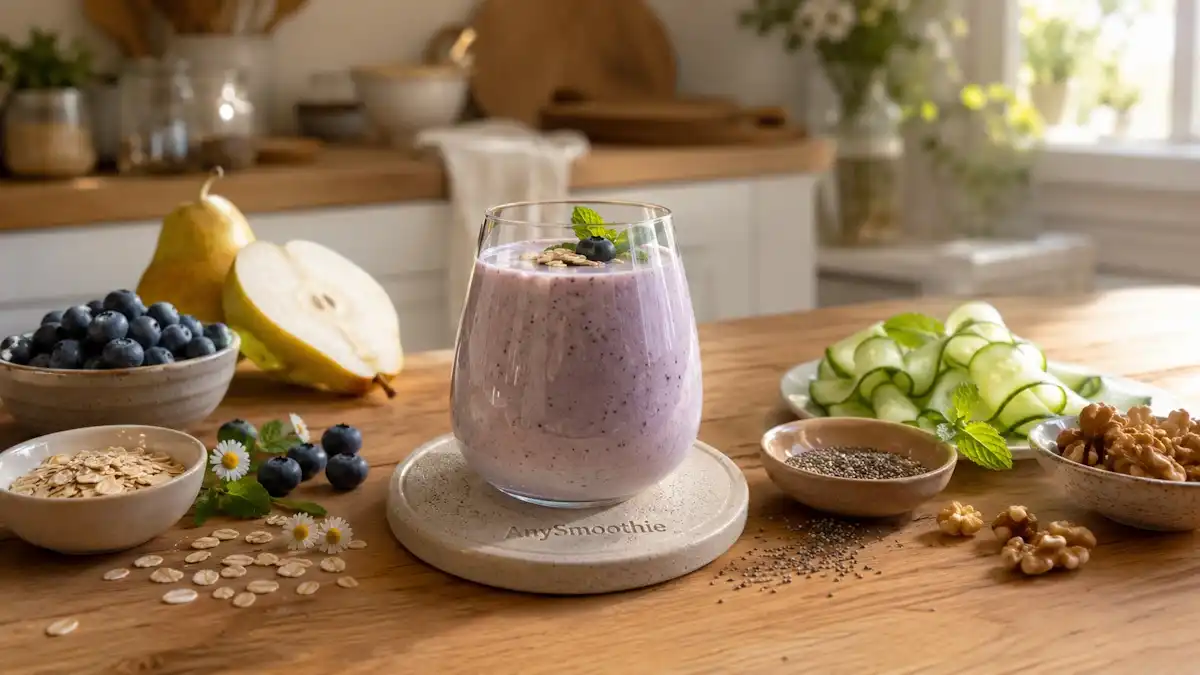
The best smoothie ingredients often have one thing in common, they are easy to blend and easy to tolerate. Soft fruit, soaked oats, yogurt, and plant-based alternatives make a smoother texture and can feel easier to eat on lower-energy days.
That can matter when your appetite is low or your routine feels thin. A blended meal with protein, fat, and fiber can also help meals feel more balanced and satisfying throughout the day.
Gentle Smoothie Nutrition and Daily Wellness Balance
| Functional Ingredient | Nutritional Balance Context | Everyday Wellness Role | Smoothie Ingredient Source | Gentle Routine Perspective |
|---|---|---|---|---|
| Blueberry Polyphenols | Color-rich fruit base | Supports antioxidant density | Fresh or frozen blueberries | Easy to keep on hand |
| Pear Derived Nutrients | Mild sweetness, soft fiber | Adds moisture and balance | Peeled pear slices | Good for low-energy prep |
| Rolled Oat Fiber | Slow, steady texture | Supports fullness and mouthfeel | Soaked rolled oats | Useful for a more filling blend |
| Chia Seed Micronutrients | Small ingredient, dense profile | Adds fiber and thickening | Chia seeds, pre-hydrated | Best in small amounts |
| Walnut Derived Lipids | Fat balance and creaminess | Supports richer mouthfeel | Walnuts or walnut butter | Fits when you need more density |
The pattern is simple. A few well-chosen ingredients can turn a thin drink into a more complete meal.
Color-Rich Food Patterns and Nutrient Diversity
Many people build lupus-friendly routines around color, variety, and steady nourishment. That often means mixing fruits, fiber, healthy fats, and fluid-rich ingredients instead of relying on one note.
Berries, leafy greens, avocado, seeds, and plain yogurt can all play a role. So can beans, oats, and nut butters, if they sit well with you. The point is not perfection. The point is to keep the blend varied enough to make daily meals feel easier and more sustainable.
The Lupus Foundation’s Eating healthy when you have lupus page offers a clear overview of food choices that fit this kind of routine. It is a good place to compare protein, fat, and produce options.
Rotation helps too. One week you may use berries and oats. The next week, you may switch to mango, spinach, and yogurt. Small swaps keep the routine from feeling stale and help you notice what your body tolerates best.
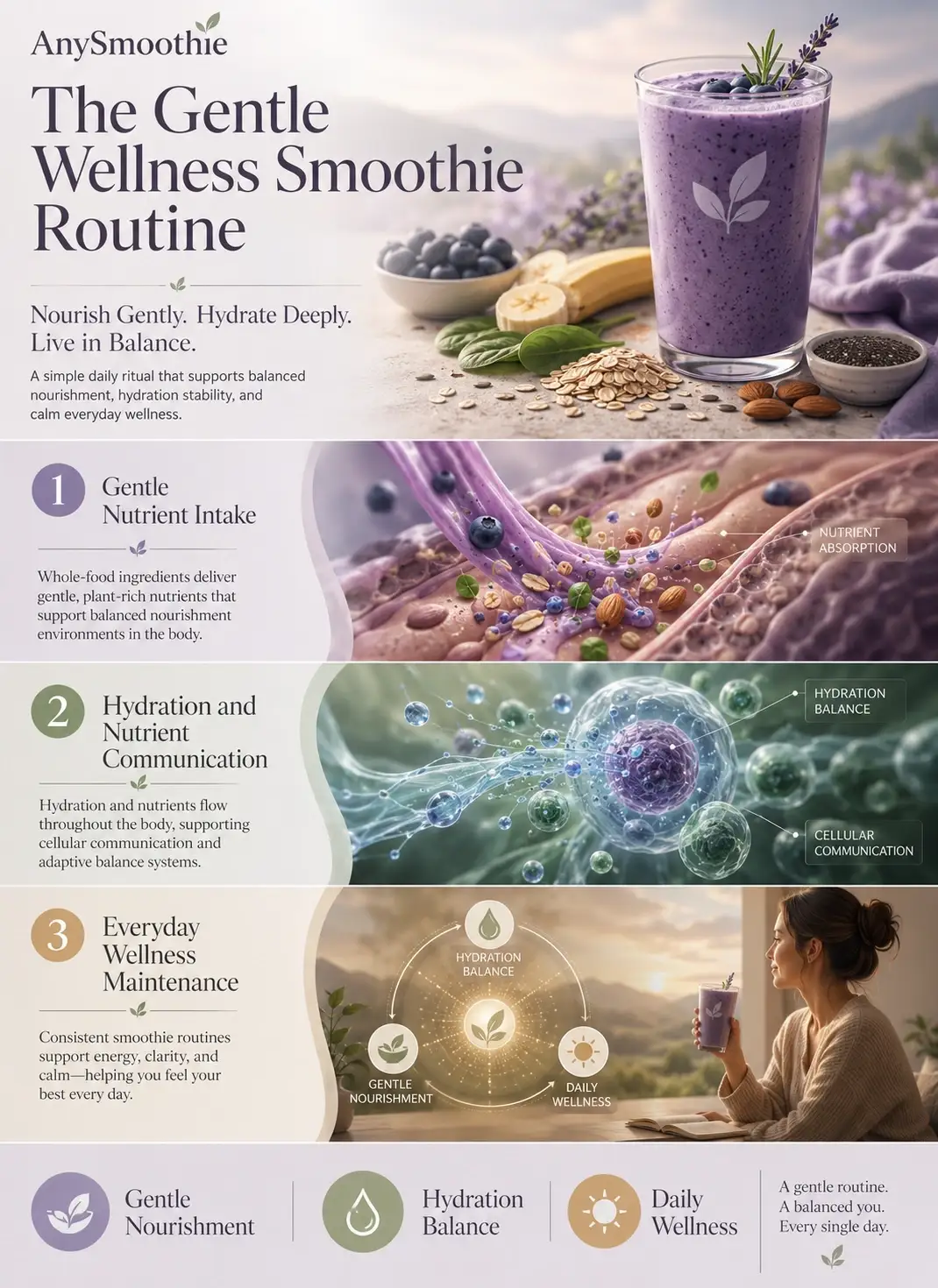
Hydration balance and everyday wellness communication
Smoothies can support fluid intake in a simple, low-friction way. Water, milk, kefir, yogurt, cucumber, melon, and citrus all add liquid and lightness without much effort.
That said, thickness matters. Some days call for a spoonable blend. Other days are better with a thinner drink you can sip slowly.
A smoothie only helps if you can drink it comfortably. Texture is part of the routine.
You can also pair a smoothie with a meal, not instead of one. That keeps the day steadier and makes the blend feel like part of a rhythm, not a rescue plan.
3 gentle smoothie recipes for daily nourishment
These are simple by design. Each one uses a short ingredient list and leaves room for swaps.
Lifestyle habits that help smoothies fit sustainable wellness routines
Smoothies work best when they are easy to repeat. That means keeping frozen fruit ready, pre-portioning dry ingredients, and storing backup items like oats, seeds, and shelf-stable milk.
It also helps to choose the time of day that feels least stressful. Some people do best with a morning smoothie. Others want one after work, when cooking feels out of reach.
UCSF’s Nutrition & Systemic Lupus Erythematosus page gives a broader look at plant-forward eating patterns that fit this kind of steady routine. That matters because simple habits are easier to keep than ambitious ones.
Rest, nutrition, and steadier daily routines
A smoothie habit works better when it fits the rest of your day. Pairing gentle food with rest, regular meals, and low-stress prep can make your energy feel less scattered.
Pacing matters here. If you are tired, use a shorter ingredient list. If hunger is low, keep the blend light. If you need more staying power, add oats, nut butter, or yogurt.
Avoid the all-or-nothing trap. One easy smoothie on a hard day is still a win, especially when the goal is consistency.
Conclusion
Gentle smoothies can make lupus-friendly meal routines easier to keep. They support comfort, balance, and practical nourishment without demanding a lot of energy.
Start with one recipe that feels doable, notice how it sits, and adjust from there. Small, repeatable choices are often the ones that last.
🛡️ Safety Notes & Dietary Interactions
- Energy Conservation and Meal Simplicity Dynamics: Gentle smoothies work best when they reduce friction around eating rather than becoming another complicated wellness task. On lower-energy days, softer textures, short ingredient lists, and repeatable combinations may help support steadier nourishment patterns without overwhelming appetite or digestion.
- Digestive Comfort and Texture Tolerance Balance: Texture often matters as much as ingredients. Smooth blends made with yogurt, oats, soft fruit, cucumber, or soaked chia may feel easier to tolerate when appetite is inconsistent or chewing feels tiring. Keeping the smoothie lighter or thinner on difficult days can also make hydration and nutrient intake feel more manageable.
- Nutrient Density and Gentle Satiety Support: Pairing fruit with fiber, healthy fats, and protein helps create a steadier nutrient structure than relying on juice or fruit alone. Ingredients like walnuts, oats, yogurt, avocado, and chia provide more staying power and may support smoother energy pacing throughout the day without turning the smoothie into an overly heavy meal.
- Routine Flexibility and Sustainable Wellness Habits: Smoothie routines tend to work better when they adapt to changing energy levels instead of following rigid “perfect nutrition” rules. Rotating ingredients, simplifying recipes, and keeping freezer-friendly staples available often supports more sustainable consistency than trying to maintain elaborate meal-prep systems during demanding weeks.
FAQ
Why can smoothies feel easier than full meals on low-energy days?
Smoothies reduce several forms of effort at once. They require less chewing, minimal cleanup, and shorter preparation time while still combining fluids, fiber, fats, and protein into one manageable meal. For people dealing with fluctuating appetite or uneven energy, that softer and simpler structure often makes regular nourishment feel more approachable and sustainable.
Why are oats, yogurt, and nut butters used so often in gentle smoothie routines?
These ingredients improve texture, satiety, and nutritional balance without making the smoothie overly sharp or sugary. Oats add soft fiber and thickness, yogurt contributes protein and creaminess, while nut butters provide fats that slow digestion and improve fullness. Together, they help create a steadier and more comforting meal structure.
How does ingredient rotation help long-term smoothie routines?
Changing fruits, greens, seeds, or protein sources from week to week helps prevent flavor fatigue while increasing nutrient diversity across the diet. Rotation can also help people notice which combinations feel most comfortable personally. In practical wellness routines, flexibility often works better long term than trying to follow one rigid “perfect” smoothie formula every day.
Why is hydration mentioned so often alongside smoothies?
Hydration influences digestion, energy perception, tissue comfort, and appetite patterns. Smoothies naturally contribute fluid through ingredients like yogurt, kefir, cucumber, citrus, melon, and milk alternatives while also making it easier to consume nutrients on days when solid meals feel less appealing. Texture matters too, since some people tolerate thinner blends more comfortably than dense ones.
What makes a smoothie feel more balanced and satisfying?
Usually it comes down to structure rather than ingredient quantity. Combining fruit with protein, fiber, and healthy fats creates a steadier digestion curve and more lasting fullness than fruit alone. Even simple additions like oats, chia, yogurt, or walnut butter can make the smoothie feel more complete and help support calmer energy pacing across the day.

Medical Disclaimer: AnySmoothie content is for educational purposes only and is not a substitute for professional medical advice. Consult a healthcare provider for personalized guidance. See our full Disclaimer & Terms of Use. AI Transparency: AnySmoothie may use AI to support content development. All content undergoes human editorial review for accuracy, clarity, and editorial quality. See our full AI Transparency.